The Smart Lighting Market: Revolutionizing Modern Illumination
The global smart lighting market is undergoing a major transformation, driven by rising demand for energy efficiency, intelligent infrastructure, and sustainable solutions. Smart lighting systems go far beyond basic illumination. They are equipped with advanced sensors, wireless technology, and automation features that allow lighting to be controlled, optimized, and integrated into broader smart city or building ecosystems.
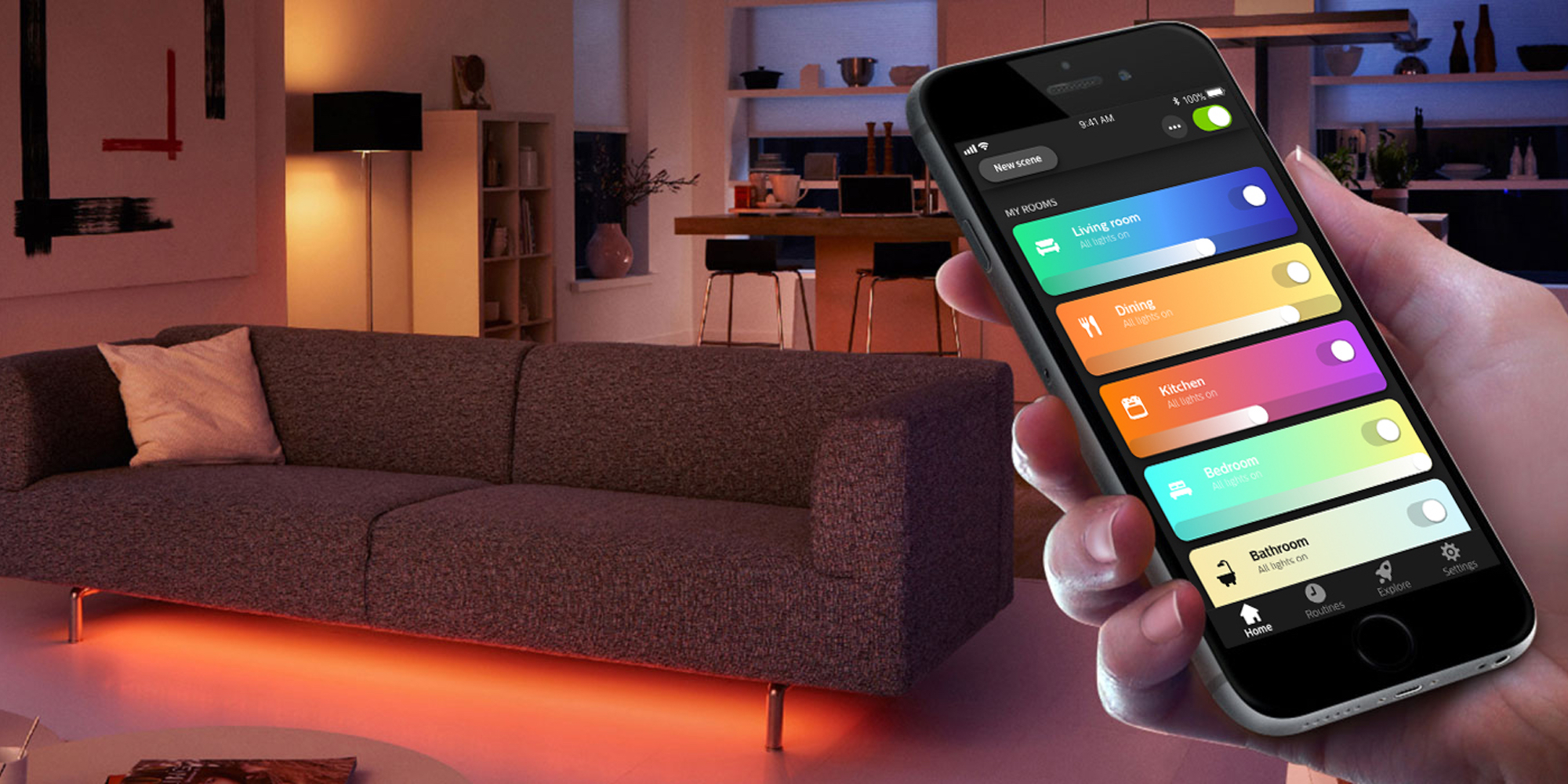
These solutions are increasingly deployed across residential, commercial, industrial, and outdoor environments, bringing substantial benefits in terms of energy savings, enhanced security, and improved user experience.
Understanding Smart Lighting Technology
Smart lighting involves lighting systems that can be automatically adjusted based on various parameters such as occupancy, ambient light, time of day, or user preferences. Core components of a smart lighting setup typically include:
LED lights for energy-efficient illumination
Sensors such as motion, occupancy, and daylight sensors
Wireless communication protocols like Zigbee, Wi-Fi, Bluetooth, and Z-Wave
Smart hubs or controllers to manage the lighting system
Mobile apps or voice assistants for remote control and automation
These systems enable functionalities such as dimming, color temperature adjustment, scheduling, daylight harvesting, and integration with other smart devices.
Key Drivers Fueling the Smart Lighting Market
1. Rising Demand for Energy Efficiency
Governments and organizations are under growing pressure to reduce carbon footprints and energy consumption. Smart lighting significantly contributes to these goals, often reducing energy usage by up to 50–80 percent compared to traditional lighting systems.
2. Growing Adoption of Smart Cities
As smart city initiatives gain momentum globally, smart lighting is becoming a core component. It enhances urban infrastructure by enabling remote monitoring, adaptive street lighting, and real-time analytics, improving both efficiency and public safety.
3. Technological Advancements
The evolution of IoT, AI, and wireless communication technologies has expanded the capabilities of smart lighting. These innovations allow for predictive maintenance, dynamic lighting control, and data-driven insights for better decision-making.
4. Government Regulations and Incentives
Several countries are promoting smart lighting through energy efficiency mandates and incentive programs. For instance, the European Union and the United States have implemented policies that encourage the transition from traditional to smart LED lighting.
Applications of Smart Lighting
The smart lighting market serves multiple sectors:
Residential: Enhances convenience, ambiance, and security through app-controlled and voice-activated lighting
Commercial Buildings: Improves workspace productivity and reduces operational costs through automated lighting management
Industrial Facilities: Optimizes lighting for safety and efficiency in manufacturing plants and warehouses
Outdoor/Public Lighting: Enables adaptive street lighting based on traffic patterns, weather, and pedestrian movement
Hospitality and Retail: Creates immersive environments and personalized customer experiences
Regional Market Insights
North America: One of the most mature markets due to early adoption, high consumer awareness, and the presence of leading technology providers
Europe: Strong growth fueled by sustainability goals and smart city funding across the EU
Asia-Pacific: Rapid urbanization, infrastructure development, and government-led smart city projects are accelerating growth, particularly in China, Japan, and India
Middle East & Africa: Increasing demand for smart building technologies in emerging cities
Key Players in the Smart Lighting Market
Major companies shaping the global smart lighting market include:
Signify (formerly Philips Lighting)
Acuity Brands
Eaton
OSRAM
Cree Lighting
Hubbell
GE Lighting
Lutron Electronics
Legrand
Honeywell International
These companies are investing in R&D to expand their product portfolios and offer integrated lighting solutions that combine intelligence, aesthetics, and functionality.
Challenges in the Smart Lighting Market
Despite strong growth potential, the smart lighting market faces several challenges:
High initial cost of deployment compared to traditional lighting
Interoperability issues among different smart home ecosystems and communication standards
Cybersecurity concerns associated with connected devices
Limited awareness in certain regions or among traditional property managers
However, ongoing standardization efforts and increased consumer education are expected to overcome these barriers in the coming years.
Future Trends and Outlook
The future of the smart lighting market is tightly interwoven with the advancement of IoT, AI, and 5G. Anticipated trends include:
Human-centric lighting (HCL) that aligns lighting with circadian rhythms for health and productivity
Integration with building management systems (BMS) and voice assistants
Cloud-based lighting control for remote and scalable management
Data analytics and predictive maintenance
Li-Fi (Light Fidelity) for wireless data communication using visible light
These innovations will continue to enhance the value proposition of smart lighting and drive adoption across all sectors.
Conclusion
The smart lighting market is redefining how we illuminate our homes, workplaces, and public spaces. With its potential to improve energy efficiency, user comfort, and operational intelligence, smart lighting stands at the forefront of the global transition to smart living and sustainable development. As technology continues to evolve, the market is expected to witness significant growth and innovation, making it a key pillar of the connected future.


Comments
Post a Comment