The Evolution and Growth of the Motion Control Market
The motion control market is experiencing rapid transformation as industries shift toward automation, precision engineering, and smart manufacturing. At its core, motion control refers to the use of devices like motors, drives, controllers, and actuators to control the movement of machines and systems in industrial processes. As demand for high-speed and high-precision manufacturing increases, motion control technologies have become essential for industries such as automotive, electronics, aerospace, packaging, and healthcare.
Motion control plays a pivotal role in ensuring productivity, efficiency, and safety across multiple sectors. The market is being shaped by advancements in robotics, industrial IoT, and artificial intelligence, all of which are expanding the scope and functionality of motion control systems.
Market Dynamics Driving Growth
1. Rise in Industrial Automation
Automation is a central driver of the motion control market. Industries around the world are automating operations to enhance productivity, reduce operational costs, and ensure consistent quality. Motion control systems, including servo motors and programmable logic controllers (PLCs), are essential components in this shift.
2. Demand for Precision and Speed
Modern manufacturing requires high levels of precision, especially in sectors like semiconductor fabrication, 3D printing, and medical equipment manufacturing. Motion control systems enable fine-tuned adjustments in speed, force, and position, making them crucial for precision-based applications.
3. Advancements in Robotics
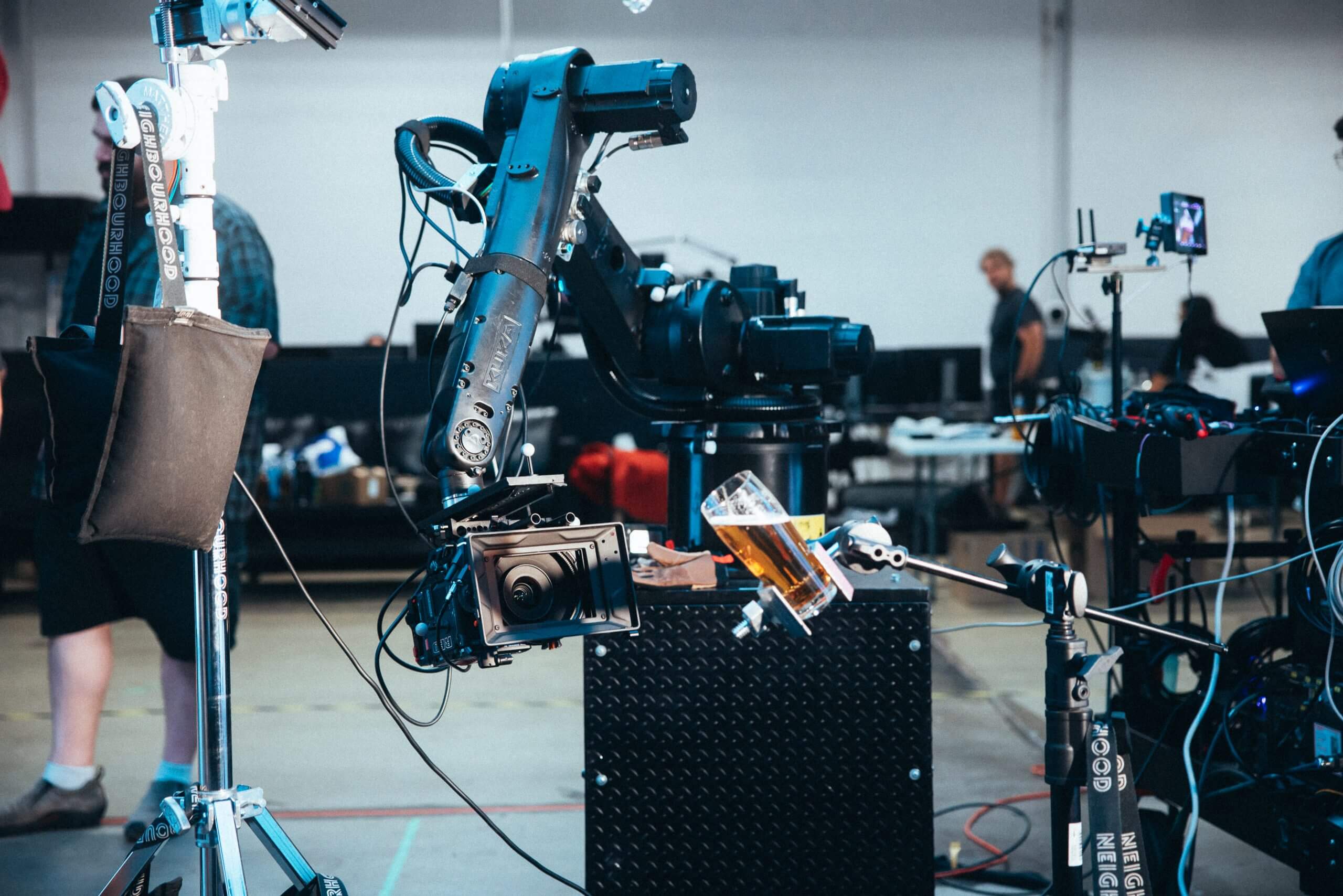
Robotics is one of the fastest-growing applications of motion control. Robotic arms and autonomous systems rely heavily on advanced motion control to perform tasks such as welding, assembling, packaging, and inspection. The proliferation of collaborative robots (cobots) is further fueling this demand.
4. Integration with IoT and Smart Technologies
The integration of motion control with IoT and AI has revolutionized the way machines operate. Smart motion controllers can now collect and analyze data in real time, enabling predictive maintenance, energy optimization, and enhanced system diagnostics.
5. Growth in Emerging Economies
Rapid industrialization in countries like China, India, Brazil, and Southeast Asian nations is contributing to the growth of the motion control market. Government incentives, rising foreign investments, and infrastructure development are encouraging the adoption of motion control systems in manufacturing and logistics.
Market Segmentation
By Component:
Motors (Servo Motors, Stepper Motors)
Drives
Motion Controllers
Actuators
Sensors
Software
By System Type:
Open Loop
Closed Loop
By Application:
Material Handling
Packaging
Robotics
Semiconductor Equipment
Metal Cutting and Forming
Printing
Medical Devices
By End-Use Industry:
Automotive
Electronics and Semiconductor
Healthcare
Aerospace and Defense
Food and Beverage
Textiles
Chemicals
Regional Overview
North America
North America has a mature motion control market, led by innovations in robotics, aerospace, and medical technology. The United States is a key market, with strong investment in smart manufacturing and advanced automation systems.
Europe
Europe, particularly countries like Germany, Italy, and France, is home to several leading manufacturers of motion control systems. The region emphasizes precision engineering and sustainable automation practices.
Asia-Pacific
Asia-Pacific dominates the global motion control market, driven by China's massive industrial base and Japan's leadership in robotics. South Korea, India, and Southeast Asian countries are also seeing rapid adoption due to growing manufacturing sectors.
Leading Players in the Market
Some of the major players shaping the motion control market include:
Siemens AG
Rockwell Automation
Mitsubishi Electric Corporation
Schneider Electric
ABB Ltd.
Yaskawa Electric Corporation
Parker Hannifin Corporation
Fanuc Corporation
Bosch Rexroth AG
Delta Electronics Inc.
These companies are investing heavily in R&D to develop high-performance motion control systems with improved speed, accuracy, and connectivity.
Challenges in the Market
While the motion control market holds significant potential, it also faces several challenges:
High Initial Investment: The cost of implementing advanced motion control systems can be prohibitive for small and medium enterprises.
Complex Integration: Integrating motion control systems into legacy machinery or different platforms can be technically complex.
Cybersecurity Risks: With increasing connectivity, motion control systems are vulnerable to cyber threats and data breaches.
Shortage of Skilled Workforce: The growing need for expertise in programming and maintaining motion control systems can be a limiting factor in some regions.
Future Outlook
The future of the motion control market is closely tied to the continued evolution of smart manufacturing and digital transformation. Key trends expected to shape the market include:
Edge Computing: Real-time data processing at the edge will improve response times and system reliability.
Wireless Motion Control: The adoption of wireless technologies will allow for more flexible and scalable systems.
Sustainability Focus: Energy-efficient motors and drives will become standard as industries aim to reduce their carbon footprint.
Customization and Modularity: Future systems will be more modular, allowing manufacturers to tailor motion control solutions to specific applications.
Enhanced Human-Machine Interaction: User-friendly interfaces and AI integration will simplify system configuration and troubleshooting.
Conclusion
The motion control market is a vital component of today’s industrial and technological landscape. With increasing demand for precision, efficiency, and automation, motion control systems are indispensable in enabling modern production and logistics processes. As industries across the globe continue to adopt smart technologies, the market is expected to grow at a steady pace, presenting opportunities for innovation and value creation. Businesses that invest in high-quality, future-ready motion control systems will be well-positioned to thrive in the age of intelligent automation.
Related Trending Reports
| FRAM Market |
| Machine Condition Monitoring Market |
| 3D Metrology Market |
| Digital Panel Meter Market |
| EMC Shielding and Test Equipment Market |


Comments
Post a Comment