Navigating the Evolution of the Physical Security Market
- Get link
- X
- Other Apps
The physical security market has undergone a significant transformation over the past decade, driven by increased threats, advancements in technology, and growing global awareness of risk management. From traditional locks and guards to AI-powered surveillance and biometric authentication, the landscape of physical security continues to evolve rapidly.
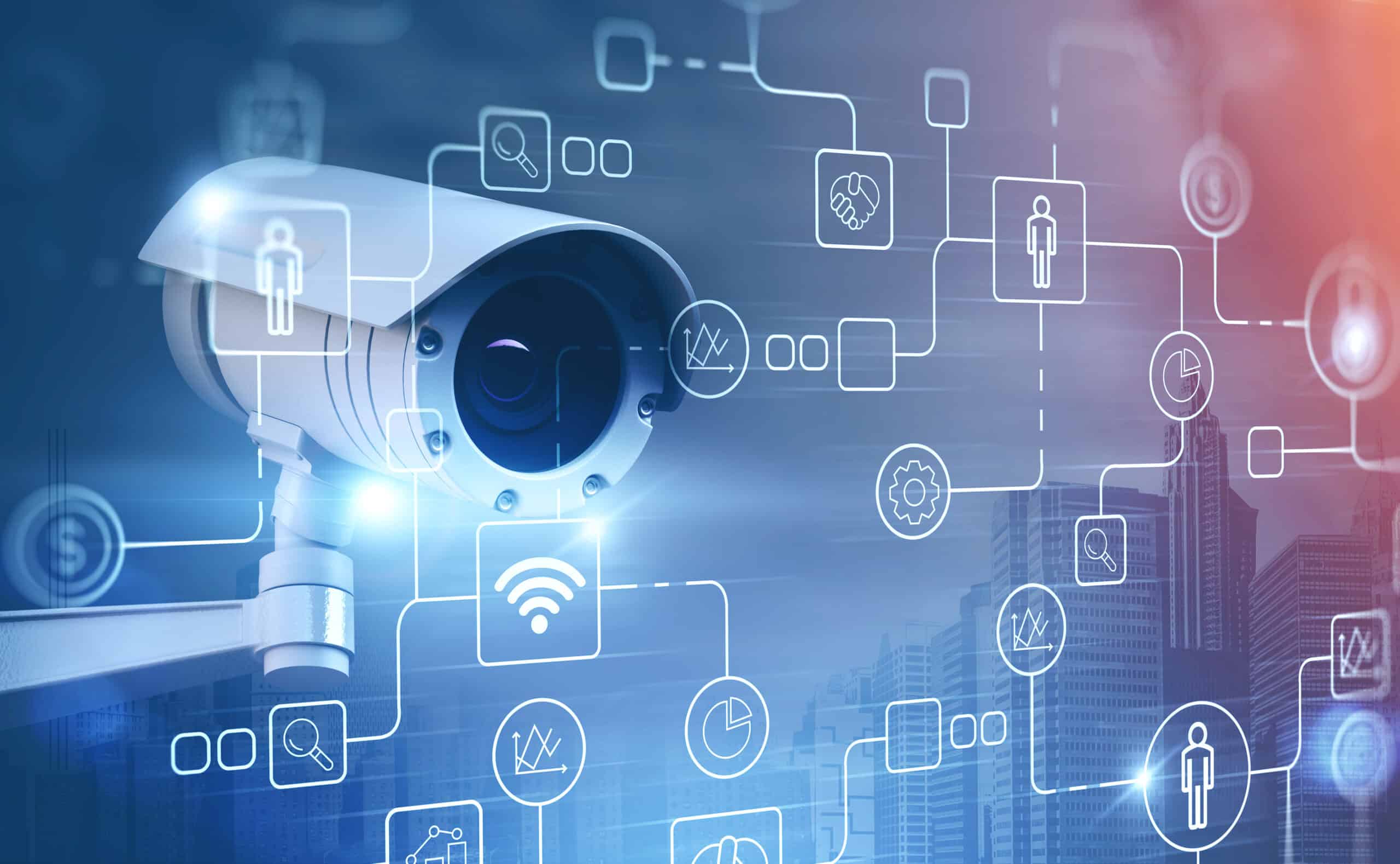
Physical security encompasses measures designed to protect people, property, and assets from physical actions and events such as unauthorized access, theft, vandalism, and terrorism. With organizations prioritizing risk prevention and response, the demand for robust, integrated, and intelligent security systems has surged.
Key Components of Physical Security
The modern physical security market includes various components such as:
Access Control Systems: Including card readers, biometric scanners (fingerprint, facial recognition), turnstiles, and secure door systems.
Video Surveillance: Cameras, sensors, and monitoring software capable of real-time analysis and alerts.
Perimeter Security: Fences, barriers, motion detectors, and ground sensors.
Security Personnel and Services: Armed and unarmed guards, patrol services, and emergency response teams.
Intrusion Detection Systems: Alarms, glass break detectors, and motion sensors.
These components often work together within an integrated security infrastructure to monitor, detect, and respond to physical threats.
Drivers of Market Growth
1. Rising Threat Landscape
From increased urban crime to global terrorism threats, the demand for sophisticated physical security solutions has become critical. Enterprises, educational institutions, healthcare facilities, government buildings, and data centers are all investing heavily in security upgrades.
2. Technological Advancements
Modern technologies like artificial intelligence, machine learning, IoT, and cloud computing have enhanced the capabilities of physical security systems. AI-powered surveillance cameras, for example, can identify suspicious behavior, recognize faces, and issue alerts in real-time.
3. Integration with Cybersecurity
The convergence of physical and cybersecurity is becoming increasingly important. For instance, unauthorized physical access to a server room could lead to a major data breach. Integrated solutions help provide end-to-end protection.
4. Regulatory Compliance
Various industries are governed by security compliance standards such as GDPR, HIPAA, and PCI-DSS, which mandate strict controls over both digital and physical access to sensitive information and systems.
5. Remote Monitoring and Cloud-based Solutions
Cloud-based security platforms allow remote monitoring, real-time alerts, and centralized management, making it easier for organizations to secure multiple locations without constant on-site supervision.
Challenges Facing the Market
Despite its growth, the physical security market faces several challenges:
High Installation and Maintenance Costs: Advanced security systems can be expensive to implement and maintain, especially for small and medium enterprises.
Privacy Concerns: Surveillance systems can raise ethical and legal concerns around personal privacy, particularly in public spaces.
System Integration Issues: Integrating new technologies with legacy systems can be complex and costly.
Skilled Labor Shortage: There is a growing need for skilled professionals to manage and operate complex physical security infrastructures.
Regional Insights
North America leads the physical security market with high adoption in government, military, and corporate sectors. The U.S. Department of Homeland Security plays a significant role in driving market demand.
Europe is experiencing rapid growth due to increasing incidents of terrorism and cross-border crime, prompting public and private sector investments in security.
Asia-Pacific is emerging as the fastest-growing region due to urbanization, infrastructure development, and the expansion of commercial and residential sectors in countries like China, India, and Japan.
Middle East and Africa are witnessing steady adoption, especially in critical infrastructure protection and smart city projects.
Key Industry Segments
The physical security market can be segmented by:
Component: Systems (surveillance, access control, perimeter intrusion detection), services (installation, maintenance, training)
End-User: Government, commercial, industrial, residential, transportation, defense, and banking
Deployment: On-premise, cloud-based, hybrid
Top Players in the Physical Security Market
Some of the leading companies in the global market include:
Honeywell International Inc.
Johnson Controls
Bosch Security Systems
Axis Communications AB
Hikvision Digital Technology
Assa Abloy AB
Genetec Inc.
ADT Inc.
Cisco Systems
Panasonic Corporation
These players are focusing on innovations, partnerships, and acquisitions to expand their product portfolios and global presence.
Future Outlook
The physical security market is expected to grow steadily over the next decade, with key trends including:
Greater use of AI and analytics in video surveillance
Increased adoption of biometric and facial recognition systems
Growth in smart buildings and IoT-integrated solutions
Emphasis on mobile-based access control and cloud platforms
Expansion of security-as-a-service models
As security risks become more dynamic and complex, physical security will continue to evolve from being a reactive system to a predictive, intelligent, and integrated part of organizational infrastructure.
Conclusion
The physical security market is a cornerstone of modern safety and risk management strategies. In a world where threats are both physical and digital, organizations must adopt a layered approach that combines technology, policy, and human oversight. With rapid innovation and rising global awareness, the market is poised to become more sophisticated, accessible, and essential than ever before.
Related Trending Topics
| Warehouse Robotics Market |
| Smart Transportation Market |
| Audio Amplifier Market |
| Silicon-on-Insulator (SOI) Market |
| Industrial Control Systems (ICS) Market |
- Get link
- X
- Other Apps


Comments
Post a Comment